
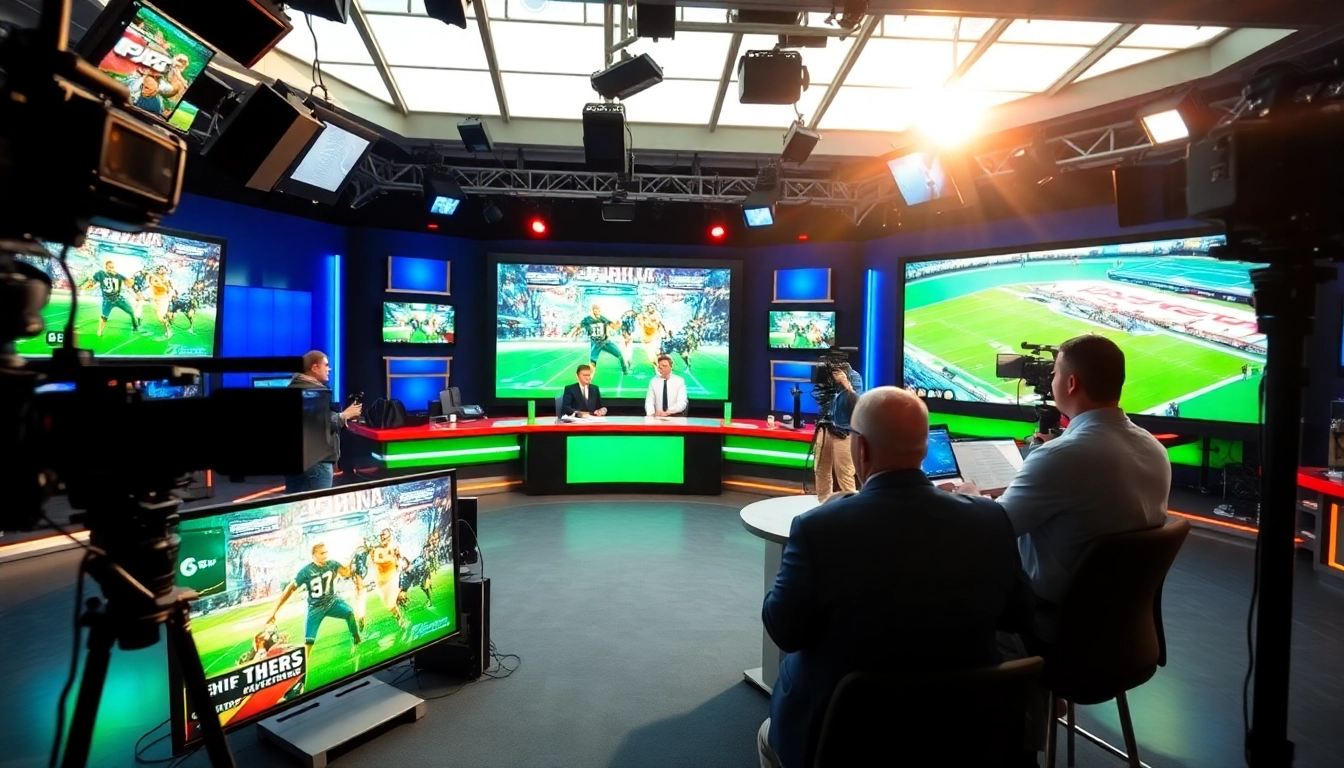
Understanding Sports Broadcasting
Definition and History of Sports Broadcasting
Sports broadcasting refers to the dissemination of sports events and related content through various media channels, including television, radio, and digital platforms. The history of sports broadcasting can be traced back to the early 20th century when radio broadcasts allowed fans to listen to live updates of games. As technology evolved, so did the medium—television transformed the way audiences experienced sports, providing visuals that radio could not. The first televised sports event occurred in 1931, featuring a college basketball game, paving the way for a revolutionary era in sports insights, engagement, and entertainment.
Key Components of Sports Broadcasting
Several key components define sports broadcasting, including:
- Commentary: The voice of the event, providing insights and analysis.
- Camera Work: Multiple camera angles enhance viewing experiences.
- Graphics and Statistics: On-screen data and real-time stats add context.
- Production Quality: High-definition visuals, sound quality, and engaging presentation are crucial.
Importance of Sports Broadcasting in Today's Media
In contemporary society, Sports Broadcasting has emerged as a vital facet of media culture, interconnecting communities and cultures globally. It provides fans an opportunity to engage with their favorite sports, creating a shared experience, even among diverse groups. Furthermore, it fuels the economy through advertising, sponsorships, and partnerships, making it an essential pillar for sports organizations and networks.
The Evolution of Sports Broadcasting
Technological Advances in Sports Broadcasting
The rapid advancement of technology has significantly transformed the landscape of sports broadcasting. From the advent of color television to the latest in augmented reality, technological innovations have heightened viewers' immersive experience. Virtual graphics superimpose on the field, providing a dynamic way to follow plays, while innovations like instant replay and drone camera shots give audiences angles that were previously unimaginable. The integration of AI is also reshaping commentary and analysis, making it more reliable and enhanced.
Impact of Streaming Services on Sports Broadcasting
Streaming services have undeniably changed how audiences consume sports. Companies capitalize on the flexibility and accessibility that streaming offers, allowing users to watch events on-demand rather than adhering to traditional schedules. Furthermore, the rise of platforms like dedicated sports subscription services provides niche content tailored to specific audiences, breaking away from the constraints of traditional broadcasting.
The Transition from Traditional to Digital Sports Broadcasting
The shift from traditional to digital platforms marks a significant evolution in the realm of sports broadcasting. Traditional broadcast networks are adapting to compete with digital platforms by creating their own online channels and apps catering to younger audiences. This transition includes shifting advertising models, with digital spaces offering targeted ads and interactive campaign features, presenting new opportunities and challenges in captivating viewers.
Challenges in Sports Broadcasting
Legal and Rights Issues in Sports Broadcasting
Navigating the legal landscape of broadcasting rights is one of the most persistent challenges in sports media. Organizations must secure broadcast rights, often through complex contracts, which can lead to disputes and legal challenges. The rise in piracy poses additional threats, as illegal streaming undermines revenue and complicates the distribution of content.
Maintaining Viewer Engagement in a Competitive Environment
As the competition for viewer attention escalates, maintaining engagement becomes paramount. A plethora of entertainment options available online means sports broadcasters must innovate continuously. This includes interactive features such as real-time polls, social media integration, and athlete-driven content that resonates with fans. Building a community around events fosters deeper connections with the audience, enhancing loyalty.
Addressing Accessibility and Inclusivity in Sports Broadcasting
Accessibility and inclusivity are two major considerations for modern sports broadcasters. Ensuring that content is accessible to diverse audiences, including those with disabilities, is not only a regulatory requirement but a societal need. Closed captioning, audio descriptions, and multi-language broadcasts are integral to making sports available to everyone.
Best Practices for Successful Sports Broadcasting
Developing Quality Content for Sports Broadcasting
The foundation of successful sports broadcasting is quality content that resonates with viewers. Delivering comprehensive coverage, compelling storylines, and expert analysis captivates audiences. Furthermore, engaging narratives that highlight players' journeys and historical context foster a richer understanding of the sport, elevating overall viewer experience.
Enhancing Viewer Experience Through Interactivity
Interactivity is a powerful tool in sports broadcasting. Broadcasters can enhance viewer engagement by offering interactive features such as live chat during broadcasts, augmented reality elements, and gamified experiences. These features facilitate a two-way communication channel allowing fans to provide feedback, share opinions, and participate in real-time discussions. Such initiatives not only increase viewer retention but also build a loyal audience base.
Utilizing Social Media for Sports Broadcasting Promotion
Social media has become indispensable in promoting sports broadcasts. Leveraging platforms such as Twitter, Instagram, and TikTok allows broadcasters to engage with audiences, share snippets, and create buzz around events. Real-time updates and behind-the-scenes content can generate excitement and anticipation, leading to higher viewership ratings.
Future of Sports Broadcasting
Trends Shaping the Future of Sports Broadcasting
The future of sports broadcasting will be shaped by significant trends, including the increased reliance on mobile devices for viewing and the growth of artificial intelligence in content creation. Virtual and augmented reality technologies will continue evolving, offering the potential for unprecedented immersive experiences. Additionally, shifts toward sustainability and ethical broadcasting practices will become essential in meeting the demands of socially conscious consumers.
Potential Innovations in Sports Broadcasting Technology
As technological advancements continue to burgeon, we can anticipate groundbreaking innovations in sports broadcasting. Features like 360-degree views, personalized viewing options, and AI-assisted analytics may soon become standard. These innovations present fresh opportunities to enhance engagement and tailor content to individual preferences, ensuring a more fulfilling viewing experience.
Predictions for the Next Decade in Sports Broadcasting
Over the next decade, it's predicted that sports broadcasting will become even more dynamic and interactive. End users will likely have an unprecedented degree of control over how they consume sports content, from choosing camera angles to accessing curated highlights. Furthermore, the integration of betting features during live broadcasts may gain traction, transforming how fans engage with games.
Frequently Asked Questions About Sports Broadcasting
What is Sports Broadcasting?
Sports broadcasting refers to the transmission of sports events and news across various media channels, allowing audiences to enjoy live coverage and highlights.
How has technology affected Sports Broadcasting?
Technology has revolutionized sports broadcasting through enhancements in video quality, broadcasting methods, and viewer interactivity, creating more engaging experiences.
Why are streaming services important for Sports Broadcasting?
Streaming services provide flexibility, allowing fans to watch events on-demand anytime, thus expanding viewership beyond traditional schedules.
What challenges does Sports Broadcasting face today?
Challenges include navigating legal broadcasting rights, maintaining viewer engagement amid competition, and ensuring inclusivity and accessibility for diverse audiences.
What does the future hold for Sports Broadcasting?
The future will likely see trends such as increased digital interactivity, technological innovations, and greater personalization in how fans experience sports.