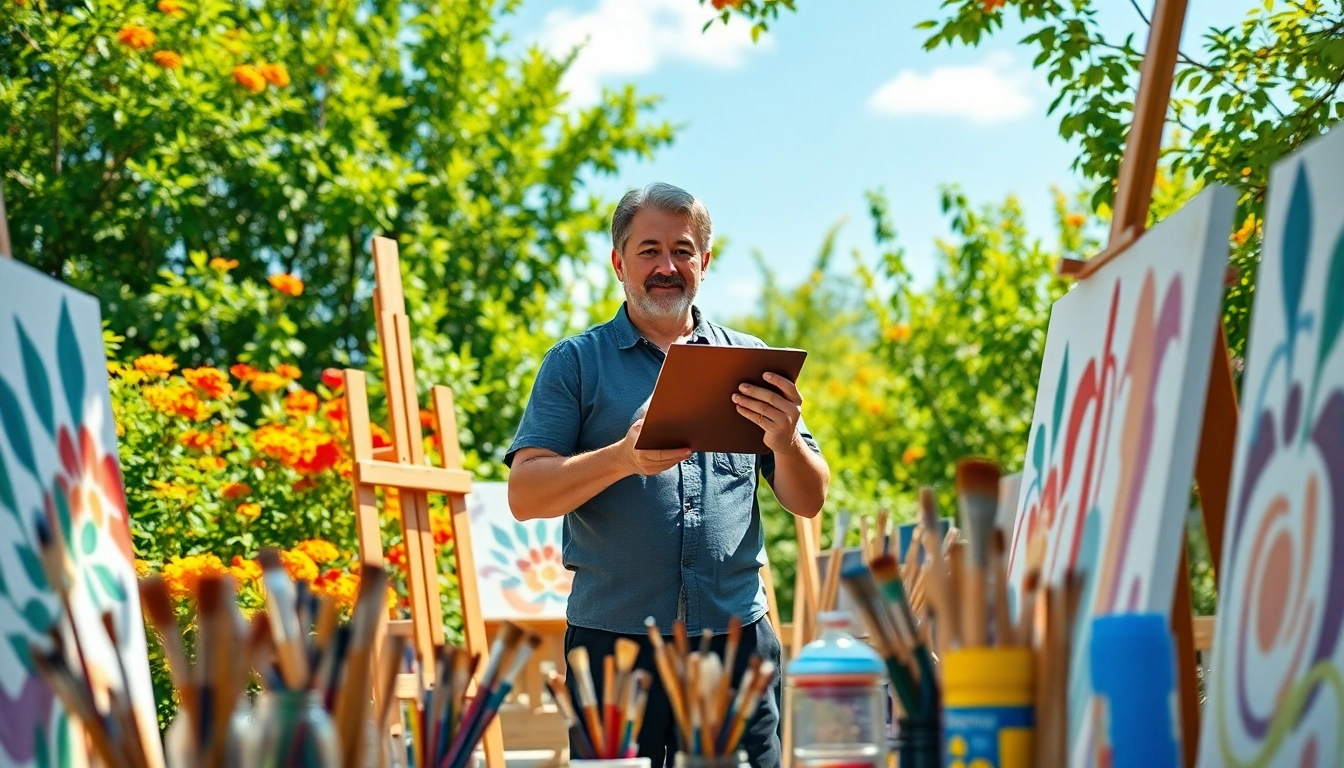
Understanding Painting Techniques
Types of Painting Styles
Painting is a diverse art form that encompasses various styles, each with its unique characteristics and techniques. Understanding these styles is crucial for any artist looking to express their creativity effectively. Among the most prominent painting styles are:
- Realism: Focuses on portraying subjects as they appear in real life, emphasizing detail and precision.
- Impressionism: Captures the momentary effects of light and color through loose brushwork and vibrant palettes.
- Abstract: Moves away from representational forms to explore color, shape, and texture, often invoking personal interpretation.
- Surrealism: Combines reality with dream-like elements, aiming to challenge perception and evoke emotion.
- Expressionism: Prioritizes emotional experience over physical reality, often utilizing bold colors and exaggerated forms.
Exploring these styles not only enhances one's artistic repertoire but also allows for a deeper understanding of personal aesthetics in painting.
Basic Painting Tools and Materials
Before diving into the actual painting process, it's essential to familiarize yourself with the necessary tools and materials. Here’s a breakdown of the basics needed for most painting styles:
- Pens and Pencils: For sketching outlines before painting.
- Paintbrushes: Available in various shapes and sizes, each brush serves different techniques (e.g., flat brushes for broad strokes, round brushes for fine details).
- Paints: Various mediums, including acrylics, oils, and watercolors, each with distinct properties and applications.
- Canvas: The most common surface to paint on, available in different textures and sizes.
- Pallets: For mixing colors before applying them to the canvas.
- Varnish: To protect and enhance the finished artwork.
Having the right tools is crucial to successfully implement your artistic vision and master various techniques.
Layering Techniques for Depth
Layering is an essential technique in painting that adds depth and dimension to your work. Here are some effective layering approaches:
- Glazing: Involves applying thin, transparent layers of paint over dried layers to create luminosity.
- Scumbling: A technique where a lighter color is applied over a darker color, allowing underlying layers to show through for texture.
- Wet-on-Wet: Layering wet paint on wet paint encourages blending and softer edges.
- Dry Brushing: Applying a small amount of paint on a dry brush creates a textured look, perfect for backgrounds and highlights.
Practicing these layering techniques will enhance the visual appeal of your artwork and refine your painting skills considerably.
Color Theory in Painting
Primary and Secondary Colors
Understanding color theory is fundamental in painting. The primary colors—red, blue, and yellow—are the building blocks of all other colors. By mixing these primary colors, secondary colors emerge: green, orange, and purple. This color wheel concept helps artists in their selection and combination of colors.
Color Mixing Strategies
Effective color mixing is a skill that can significantly alter the mood and message of your artwork. Here are key strategies:
- Complementary Colors: Colors opposite each other on the color wheel (e.g., red and green) can create dynamic contrasts when placed together.
- Analogous Colors: Colors that are next to each other (e.g., blue, green, and yellow) create harmonious outcomes.
- Triadic Color Schemes: Involves using three colors that are equally spaced on the color wheel, offering balance and vibrancy.
Creating Mood with Color
Colors evoke emotions and can significantly influence the viewer’s perception of a painting. For instance:
- Warm colors (reds, oranges, yellows) tend to convey energy and warmth.
- Cool colors (blues, greens, purples) are associated with calmness and tranquility.
- Neutral colors can provide balance and grounding in a piece.
As an artist, considering the emotional implications of color choices is crucial for conveying your intended message.
Painting Composition Basics
Elements of Composition
Strong composition is key to a successful painting. The main elements include:
- Focal Point: The area that draws the viewer's attention first, often achieved through contrast or placement.
- Line: Directs the viewer’s eye and can divide space, create perspective, or lead to focal points.
- Space: Use of negative space can enhance the composition, drawing attention to the subject.
- Texture: Adds depth and interest, making the artwork more engaging.
Rule of Thirds in Painting
The Rule of Thirds is a fundamental guideline in composition. Imagine dividing your canvas into a 3x3 grid:
By placing key elements along the grid lines or intersections, you create more balance and interest than simply centering your subject. This technique increases the dynamism of the painting and helps lead the viewer’s eye around the canvas.
Balance and Harmony in Art
Achieving balance in painting involves distributing visual weight within the composition. This can be done through:
- Symmetrical Balance: Achieved when elements on both sides of a composition mirror each other.
- Asymmetrical Balance: Creates a sense of balance without mirroring, often by using contrasting sizes or colors.
Harmony ensures that all elements of your painting work together cohesively, contributing to a unified final piece.
Enhancing Skills with Practice
Finding Your Artistic Style
Identifying your unique painting style is a journey that involves exploration and experimentation. Here are steps to assist you:
- Explore Different Techniques: Try various styles and mediums to discover what resonates with you.
- Study the Masters: Analyze works from renowned artists for inspiration and understanding of techniques.
- Reflect on Your Preferences: Consider what subjects, colors, and techniques you are naturally drawn to.
Your style will evolve as you grow in skill and confidence, making this exploration an ongoing process.
Practice Exercises for Improvement
Regular practice is vital for honing your painting abilities. Here are some effective exercises:
- Color Mixing Drills: Spend time mixing colors to understand how they interact and create new shades.
- Daily Sketching: Keep a sketchbook where you draw daily to build observation skills and muscle memory.
- Copy the Masters: Recreate famous paintings to learn brush techniques and composition.
Feedback and Critique for Growth
Seeking feedback is crucial for artistic growth. Here are ways to obtain constructive criticism:
- Join Art Groups: Engage with fellow artists and share work for feedback.
- Online Forums: Participate in online communities where members critique each other's work.
- Mentorship: Finding a mentor can provide valuable insights and guidance tailored to your development.
Critique can often reveal blind spots and provide new perspectives to enhance your skills.
Tools for Modern Artists
Digital Painting Software Overview
With advancements in technology, digital painting tools have become popular among artists. Here are some of the most notable software:
- Adobe Photoshop: A robust tool for creating intricate digital art with a wide range of brushes and effects.
- Corel Painter: Mimics traditional painting techniques with a vast selection of tools.
- Procreate: An intuitive app for iPad users that offers versatile painting capabilities.
Combining Traditional and Digital Methods
Many artists find success by blending traditional and digital techniques. For example, starting with a sketch on paper and then scanning it to refine digitally can yield compelling results. This hybrid approach allows for experimentation and the harnessing of the strengths of both mediums.
Marketing Your Painting Skills Online
In the digital age, showcasing your artwork online is crucial. Here are effective strategies for building your online presence:
- Social Media: Platforms like Instagram and Pinterest are ideal for sharing your work and attracting followers.
- Portfolio Websites: Create a professional website showcasing your best works, artist statement, and contact information.
- Online Marketplaces: Consider selling your art on platforms like Etsy, offering unique items to a broader audience.
FAQs
What is the easiest painting medium for beginners?
Acrylic paint is often recommended for beginners due to its quick-drying properties and versatile nature, making it easy to work with.
How can I improve my color mixing skills?
Practice mixing colors on your palette frequently, and experiment with different ratios to understand how colors interact.
What painting style should I start with?
Start with a style that excites you, whether realism or abstract; this will keep you motivated while honing your skills.
How do I protect my finished paintings?
Use varnish or a clear coat to protect your artwork from dust, moisture, and UV rays, extending its longevity.
Are online tutorials helpful for learning painting?
Yes, online tutorials can be incredibly beneficial, offering step-by-step guides and insights from experienced artists.